
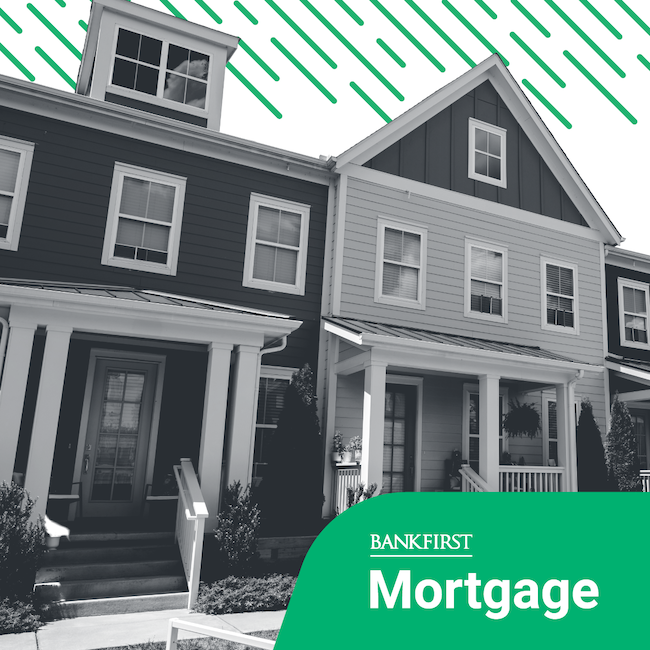
From the street, a condominium and a townhouse can look almost identical. Both may have attached walls, private entrances, garages and multiple levels. But when you’re buying a home, what matters isn’t always what the property looks like. How the property is legally structured can make an important difference—especially when it comes to financing.
Understanding that distinction early can help you know what you’re buying, what responsibilities come with the property and what to expect during the mortgage process.
One of the easiest ways to think about the difference is this: townhouse typically describes the physical style of a home, while condominium describes a form of ownership.
That means a property that looks like a townhouse may actually be legally classified as a condominium.
With a condominium, you typically own your individual unit along with an interest in shared or common areas. A condominium association may be responsible for things such as the building exterior, roof, landscaping, insurance and other shared components.
With some townhouses, the homeowner owns both the structure and the land beneath it, while a homeowners association (HOA) may primarily maintain neighborhood amenities or common areas.
The exact arrangement varies from one community to another, which is why it’s important not to make assumptions based on appearance or a listing description alone.
The legal classification of a property can affect several aspects of homeownership and the mortgage process. If you’re considering a condo or townhouse, here are a few questions worth asking before making an offer:
How is the property legally classified?
Don’t rely solely on the listing description. A property marketed as a townhouse could still be legally classified as a condominium.
What does the HOA or condominium association cover?
Review the association’s responsibilities and determine what your monthly dues pay for and which expenses remain your responsibility.
Who handles exterior maintenance?
Find out whether the association or homeowner is responsible for the roof, siding, exterior walls, windows, landscaping, and other components.
How is the property insured?
Condominium communities may have master insurance policies covering certain portions of the property, while individual owners may be responsible for additional coverage.
Does the condominium project meet applicable financing requirements?
When purchasing a condominium, qualifying for a mortgage may involve more than reviewing the individual borrower and unit. Depending on the loan program, the condominium project itself may also need to meet certain eligibility requirements.
Condominium financing can involve additional review because lenders and mortgage programs may need to evaluate the overall financial and physical health of the condominium project.
For conventional loans sold to or guaranteed by Fannie Mae or Freddie Mac, project eligibility requirements can include factors such as the condominium association’s financial condition, reserves, insurance coverage, ownership structure, and other characteristics of the development.
These requirements are designed to help determine whether the project meets applicable standards for conventional financing.
They can also change over time. For example, Freddie Mac updated certain condominium project review requirements effective August 3, 2026, including requirements related to project eligibility and review.
For buyers, the important takeaway is simple: A home may look like a typical townhouse or single-family residence, but if it is legally part of a condominium project, additional financing requirements may apply.
That doesn’t mean purchasing a condo has to be complicated. It simply makes asking the right questions early especially important.
If you’re considering a condo or townhouse, talk with your mortgage lender as early as possible.
Waiting until you’re already under contract to discover questions about the property’s classification or condominium project could result in additional documentation, delays, or other financing considerations.
Starting the conversation early gives your mortgage team more time to identify what information may be needed and helps you better understand your options before you make an offer.
Two homes can look nearly identical from the street and still have very different ownership structures and financing requirements.
Before you fall in love with a property, take the time to understand exactly what you’re buying. Knowing whether the home is legally a condominium or townhouse, understanding what the HOA or association covers, and discussing potential financing requirements early can help you make a more informed decision and avoid surprises later.
Thinking about buying a condo or townhouse? The BankFirst Mortgage team is here to help you understand your financing options and what to expect along the way. Contact a BankFirst mortgage lender to get started.
We've been helping customers afford the home of their dreams for many years and we love what we do.
900 Main Street
Columbus, MS, 39701
(662) 328-2248
Email Us

 Powered By LenderHomePage.com